Master the Art of Dog Training: Proven Techniques for a Well-Behaved Pooch Friend
Dog training is a nuanced process that requires an understanding of canine actions. Reliable communication is important for establishing trust fund and establishing limits. Numerous proprietors forget the value of socialization and basic commands, which lay the structure for a well-behaved dog. Positive support plays an important role in this trip. Nonetheless, obstacles usually develop. Checking out proven approaches can lead to a much deeper connection in between owner and dog. What might those approaches involve?
Understanding Dog Behavior
Recognizing canine actions is crucial for effective dog training (Professional Dog Training Freeport FL). Dogs interact through body language, articulations, and various actions, making it vital for instructors to translate these signals properly. As an example, a wagging tail might show enjoyment, while a decreased head can signify submission or anxiety. Acknowledging these signs helps fitness instructors address issues and cultivate a positive discovering setting. Additionally, comprehending the dog's reactions and natural tendencies, such as their pack attitude, boosts the training procedure. Dogs grow on regular and consistency, so establishing clear limits and assumptions is essential. By comprehending these behavioral characteristics, instructors can create tailored strategies that resonate with the private dog's requirements, eventually bring about an extra unified relationship between the dog and its owner
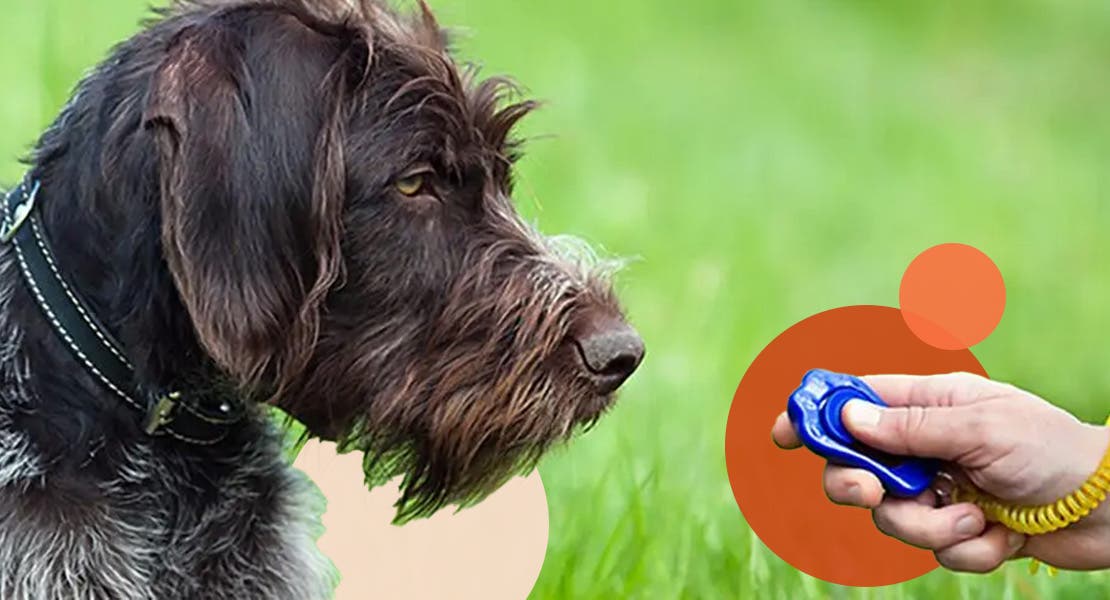
The Value of Socialization
Socialization acts as a keystone of reliable dog training, affecting a pet dog's behavior and flexibility in different environments. Via direct exposure to different individuals, pets, and settings, dogs find out to navigate social interactions and establish self-confidence. This process decreases the possibility of fear-based responses, hostility, and anxiousness, promoting a well-adjusted pet. Early socializing, ideally throughout the crucial developing duration, is vital for shaping a pet's character and feedbacks to new experiences. Taking part in positive experiences assists dogs associate unknown situations with convenience and security, advertising tranquil actions. Furthermore, well-socialized pets are commonly a lot more satisfying buddies, as they are a lot more likely to respond positively in public spaces. Ultimately, correct socializing lays the foundation for a satisfied, mannerly canine companion.
Basic Commands Every Dog Need To Know
A well-socialized dog benefits substantially from grasping basic commands, which are fundamental to reliable interaction in between pet and proprietor. Essential commands include "sit," "remain," "come," "down," and "leave it." Each command serves a details purpose, assisting in safety and security and control. As an example, "rest" can stop jumping on visitors, while "remain" maintains a dog in position, ensuring they do not roam into risk. The command "come" is crucial for recall, enabling proprietors to call their dog back safely. "Down" motivates calmness, and "leave it" protects against unwanted actions, such as scavenging. Consistent method of these commands promotes a solid bond and good understanding, eventually causing a mannerly canine buddy that improves the total pet-owner partnership.
Favorable Support Methods
Positive reinforcement strategies play an important role in effective dog training. By making use of rewards and deals with, fitness instructors can motivate desired actions, while remote control training provides an accurate method for noting those habits. Consistency in applying these methods warranties that dogs find out and keep commands better.

Incentives and Treats
While lots of dog proprietors seek efficient training approaches, the use of benefits and deals with as positive reinforcement methods has actually shown to be among one of the most successful techniques. By supplying treats, praise, or other incentives, proprietors can encourage wanted habits in their canine companions. This approach profits from the dog's all-natural reaction to seek enjoyment and authorization. Timing is essential; benefits must be given promptly after the preferred actions to develop a clear association. Range in treats can likewise keep a canine's interest and motivation during training sessions. Furthermore, utilizing benefits promotes a positive bond between the dog and owner, making discovering pleasurable. In general, integrating rewards and deals with properly can lead to a mannerly and satisfied dog.
Remote Control Training Conveniences
Uniformity Is Trick
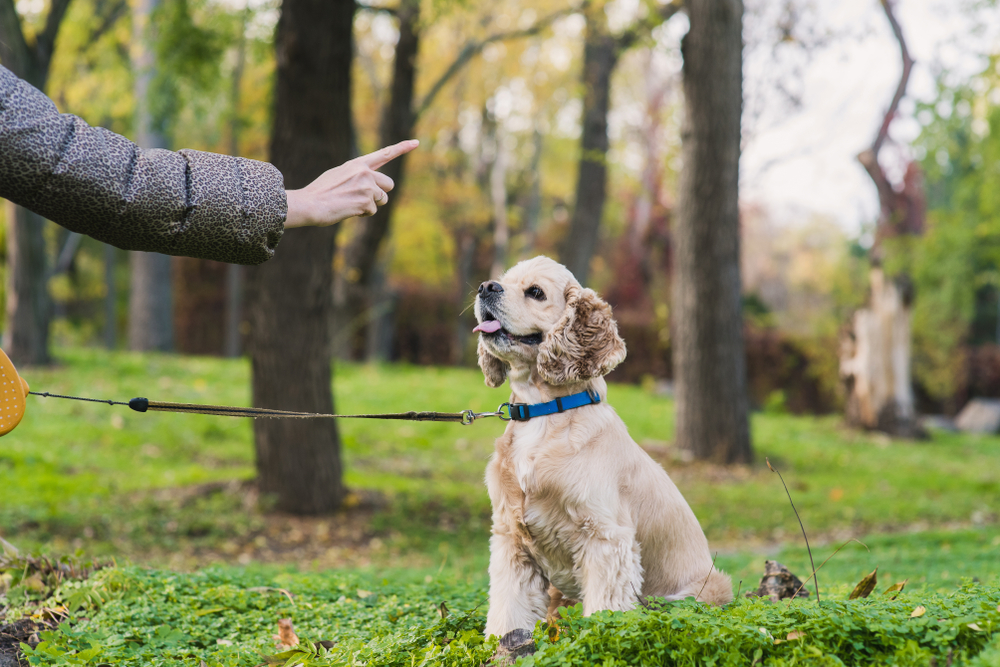
Uniformity plays an essential role in the effectiveness of positive support strategies in dog training. When trainers use benefits, such as treats or praise, reliably after wanted actions, pet dogs swiftly discover to connect these actions with favorable end results. This organization enhances their motivation to repeat those actions. Irregular reinforcement, on the other hand, can confuse dogs, bring about unpredictability regarding what actions evoke incentives. To establish clear communication, instructors need to use the very same commands and cues regularly. Additionally, strengthening habits right away after they occur boosts understanding and retention. Over time, this foreseeable pattern cultivates depend on and a stronger bond between the dog and trainer, view it now inevitably leading to a well-behaved canine companion. Consistency is, hence, fundamental to reliable dog training.
Consistency Is Key
When educating a pet, maintaining a constant strategy is necessary for achieving reliable results. Pets prosper on regular and clearness, which aids them comprehend assumptions and desired habits. A trainer should develop clear commands and stick to them, making certain that every family participant makes use of the very same terms and signals. Furthermore, incentives and adjustments ought to be used evenly; disparities can perplex the dog, leading to irritation for both the pet and the owner. By setting a foreseeable training schedule and adhering to it, progression can be gauged more precisely. Eventually, uniformity cultivates trust and strengthens the bond between the dog and fitness instructor, developing a strong structure for a mannerly canine companion.
Managing Usual Behavioral Issues
Just how can dog proprietors successfully address common behavior concerns that emerge throughout training? Determining the root causes of actions such as barking, eating, or jumping is important. Proprietors ought to observe their dog's contexts and triggers to better recognize these actions. Constant and proper support strategies, such as positive reinforcement, why not check here can help reroute unfavorable behaviors. In addition, establishing clear boundaries and making use of commands continually promotes understanding. For example, when a pet barks exceedingly, owners can educate them to reply to a "silent" command. Perseverance is crucial; behavioral adjustment takes some time. Looking for expert assistance from a trainer might also be valuable when problems linger. Eventually, resolving behavioral problems early can result in an extra harmonious connection in between dog and owner.
Developing a Solid Bond Through Training

Although training may commonly be checked out as a means to fix habits, it additionally serves as a powerful possibility for dog proprietors to create a deeper connection with their family pets. Taking part in consistent training sessions promotes depend on and communication between the dog and owner. As canines find out brand-new commands and abilities, they acquire self-confidence, while proprietors discover to recognize their animal's distinct personality and requirements. Positive reinforcement methods, such as treats and praise, improve this bond, encouraging canines to connect training with pleasurable experiences. Via normal communication throughout training, both owner and dog develop a mutual respect and understanding, reinforcing their relationship. Ultimately, this solid bond not just brings about a mannerly canine buddy however also enriches the total friendship shared.
Frequently Asked Questions
How much time Does It Require To Train a Canine Efficiently?
Training a canine effectively generally takes several weeks to months, relying on the dog's age, type, and the complexity of the desired actions. Uniformity, perseverance, and positive reinforcement play essential functions in the training process.
Can I Train an Older Dog or Simply Puppies?
Yes, older pet dogs can be trained equally as properly as young puppies. While they may call for different approaches and patience, get redirected here with regular method and positive support, older canines can find out new behaviors and commands.
What Should I Do if My Dog Declines to Respond?
If a pet declines to react, the owner needs to examine the atmosphere for interruptions, make use of positive support, assurance regular commands, and think about the dog's wellness and training history, looking for expert aid if required.
Exist Particular Types That Are Easier to Train?
Specific breeds, such as Boundary Collies, Poodles, and Labrador Retrievers, are typically considered much easier to educate because of their knowledge and willingness to please. Constant approaches and positive support boost training success across all breeds.
Exactly how Do I Pick the Right Training Tools and Devices?
Selecting the appropriate training tools and devices entails evaluating the dog's dimension, personality, and training objectives. Researching different alternatives, looking for recommendations, and thinking about the dog's convenience and safety and security are essential action in making a notified choice.
Socializing offers as a keystone of effective dog training, influencing a canine's habits and versatility in different settings. Quality in interaction boosts the efficiency of dog training, and clicker training exemplifies this principle with its structured technique. Training may typically be checked out as a method to deal with actions, it additionally offers as an effective chance for dog proprietors to create a much deeper link with their pet dogs. Training a canine successfully typically takes several weeks to months, depending on the dog's age, breed, and the complexity of the preferred actions. Picking the appropriate training devices and devices includes assessing the dog's size, temperament, and training objectives.